Anyone who spent the Dallas Cowboys' Sept. 18 home opener tailgating outside of AT&T Stadium knows how fast a Texas sky can change its mind. One minute you're grilling. The next you're scrambling for cover with a hot dog in hand.
For new race fans, that raises a natural question: What happens if it rains on Race Day?
Good news: Similar to AT&T Stadium and Globe Life Field, rain doesn't mean the party is over. It means the competition gets interesting.
It depends on the track
The NTT INDYCAR SERIES competes on ovals, road courses and street circuits. Each type of racetrack presents a different set of challenges when rain moves in.
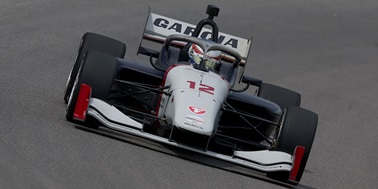
On ovals, racing pauses when the track is wet. INDYCAR SERIES machinery can reach speeds exceeding 230 mph on oval tracks, where dry-weather tires are designed for maximum grip on a dry surface.
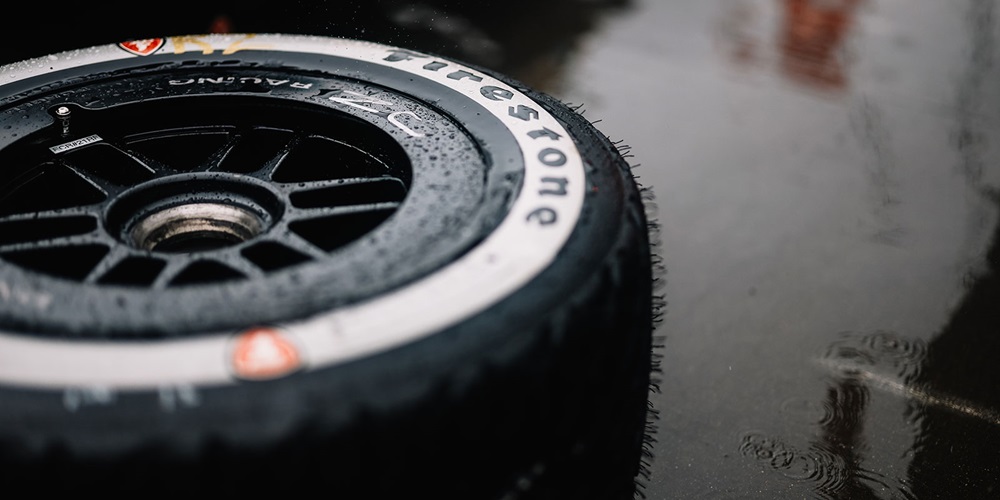
“Why not just put rain tires on the car?” Firestone Firehawk race tires are specifically engineered for the type of course they'll be used on. Oval tracks use a primary tire designed for their unique demands and will occasionally also use an alternate tire at specific events. Rain tires are used on road and street courses only, as the NTT INDYCAR SERIES does not run oval races if conditions are wet. Visually, Firestone Firehawk Rain Racing Tires differentiate from the primary black tires with their grey sidewalls. In action, Firestone rain race tires were developed for wet conditions and use a grooved tread pattern that improves grip, control, and helps prevent hydroplaning.
It comes down to speed and safety. Water reduces tire grip, while spraying from other cars can severely limit visibility. With cars traveling at high speeds and concrete walls close to the racing surface, wet to determine significant safety concerns. When it rains at an oval racetrack, crews use specialized jet dryers to remove water and help prepare the surface for competition to resume when things are dry.
Road courses and street circuits, like ours in Arlington, are a different story. These tracks feature more braking zones, corners and changes in speed, allowing teams to use specially designed rain tires when conditions call for them. The speeds are lower, the field spreads out, and drivers can see where they're going. That doesn’t mean racing continues in every downpour. Heavy rain, standing water and poor visibility can make conditions unsafe, prompting officials to pause on-track activity until conditions improve.
Lightning is a different story
Rain isn’t the only weather concern at racetracks. Lightning can bring outdoor sporting events to a halt, and INDYCAR SERIES race weekends are no exception.
When lightning poses a threat, series and track officials follow established safety procedures that may require suspending on-track activity and directing fans to implement the appropriate safety action. Activities resume once series and track officials determine it is safe to do so. Safety always comes first for fans, drivers and crews.
And no, it's not one guy squinting at the horizon. Event officials monitor forecasts, radar, and lightning alerts while coordinating with the appropriate emergency management personnel and local agencies, including the National Weather Service, local Police and Fire and EMS, so everyone has concise information. That's a lot of eyes on one cloud.
Officials also evaluate track conditions, including visibility and standing water, before determining when it's safe to resume on-track activity.
How the track gets back to racing
When the rain stops, track crews hustle to assess the racing surface and prepare it for competition. On ovals, that can mean jet dryers to remove water off the track surface with powerful blasts of hot air. Think of the world's loudest, fastest hair dryer. It's pretty cool to watch.
The timeline depends on the amount of rain, the track surface and the forecast. Even after the rain stops, standing water and damp areas can take time to clear.
Your race weekend rain plan for Arlington and the rest of the series:
A little preparation goes a long way. If you’re heading to the Java House Grand Prix of Arlington, consider packing a few essentials.
- A poncho: It’s lightweight, easy to carry and less likely to block another fan’s view.
- Comfortable shoes: Choose footwear that can handle wet walkways and a full day on your feet. Save the white sneakers for another day.
- A charged phone and/or a power bank: Stay connected so you can receive weather alerts, schedule updates and event announcements from the Java House Grand Prix of Arlington by signing up for SMS texting or push notifications through the app.
Rain or shine, we'll be there
Weather is part of outdoor racing, and conditions can change quickly. While a storm may delay the schedule, safety comes first. When conditions allow the cars to return to the track, the sights, sounds and excitement of INDYCAR SERIES action are still waiting.
As Arlington prepares to welcome fans back for year two, make sure to check gparlington.com for the latest event updates and the official fan guide before heading out.